
1
Before the sacred days
Ihram
Enter the state of Ihram with intention and Talbiyah. Your exact starting point and sequence depend on your Hajj type and travel plan.
Open Ihram guide →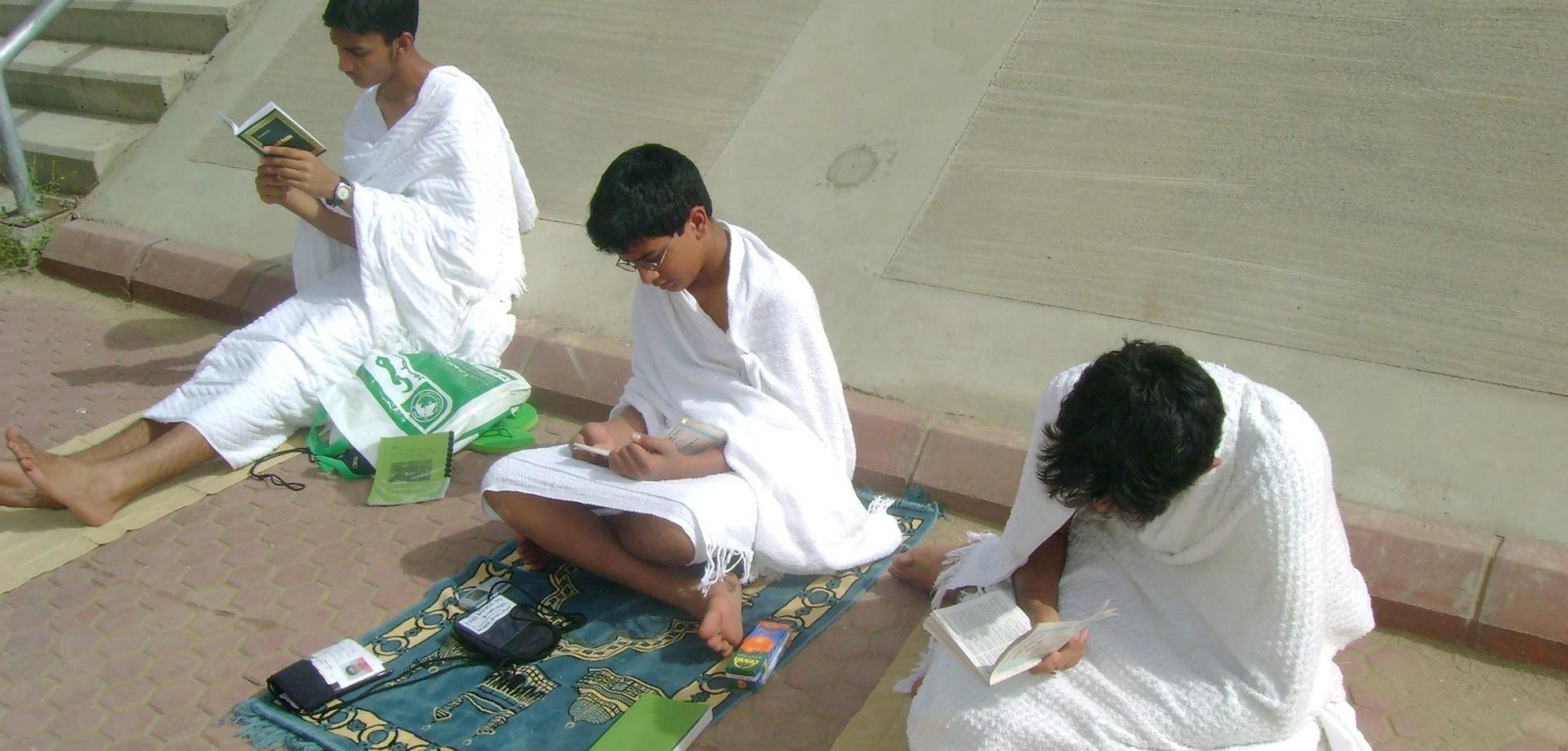
A sacred pilgrimage of worship, movement and preparation—understand the rites, the sacred days and the practical journey before you travel.
A clear overview of the main sacred-day movement. Some rites before and after these stages vary according to the type of Hajj, so pilgrims should follow qualified religious guidance and their authorized Hajj organizer.
Enter the state of Ihram with intention and Talbiyah. Your exact starting point and sequence depend on your Hajj type and travel plan.
Open Ihram guide →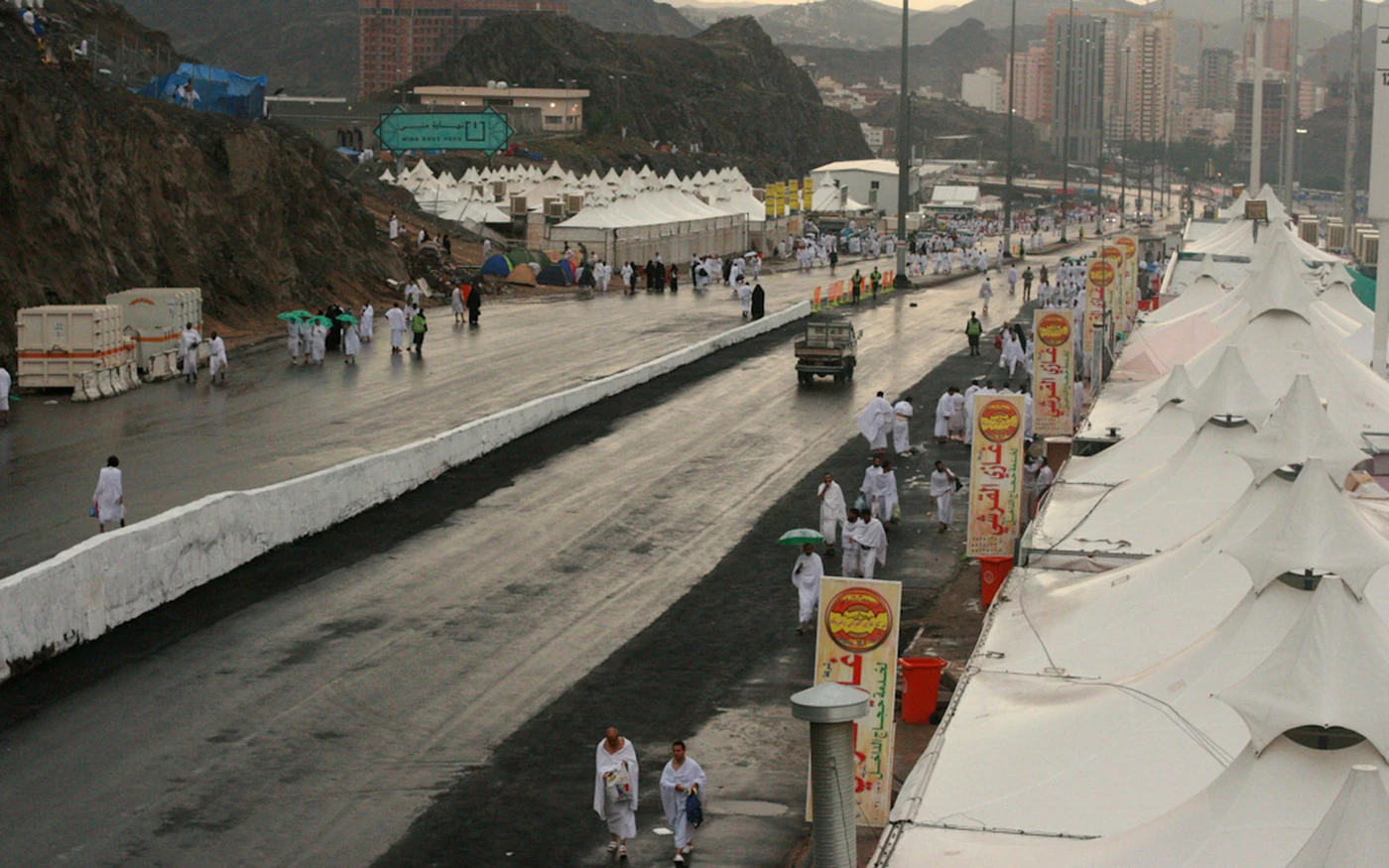
Travel to Mina and remain there through the Day of Tarwiyah, following the movement plan provided for your group.
Open Mina guide →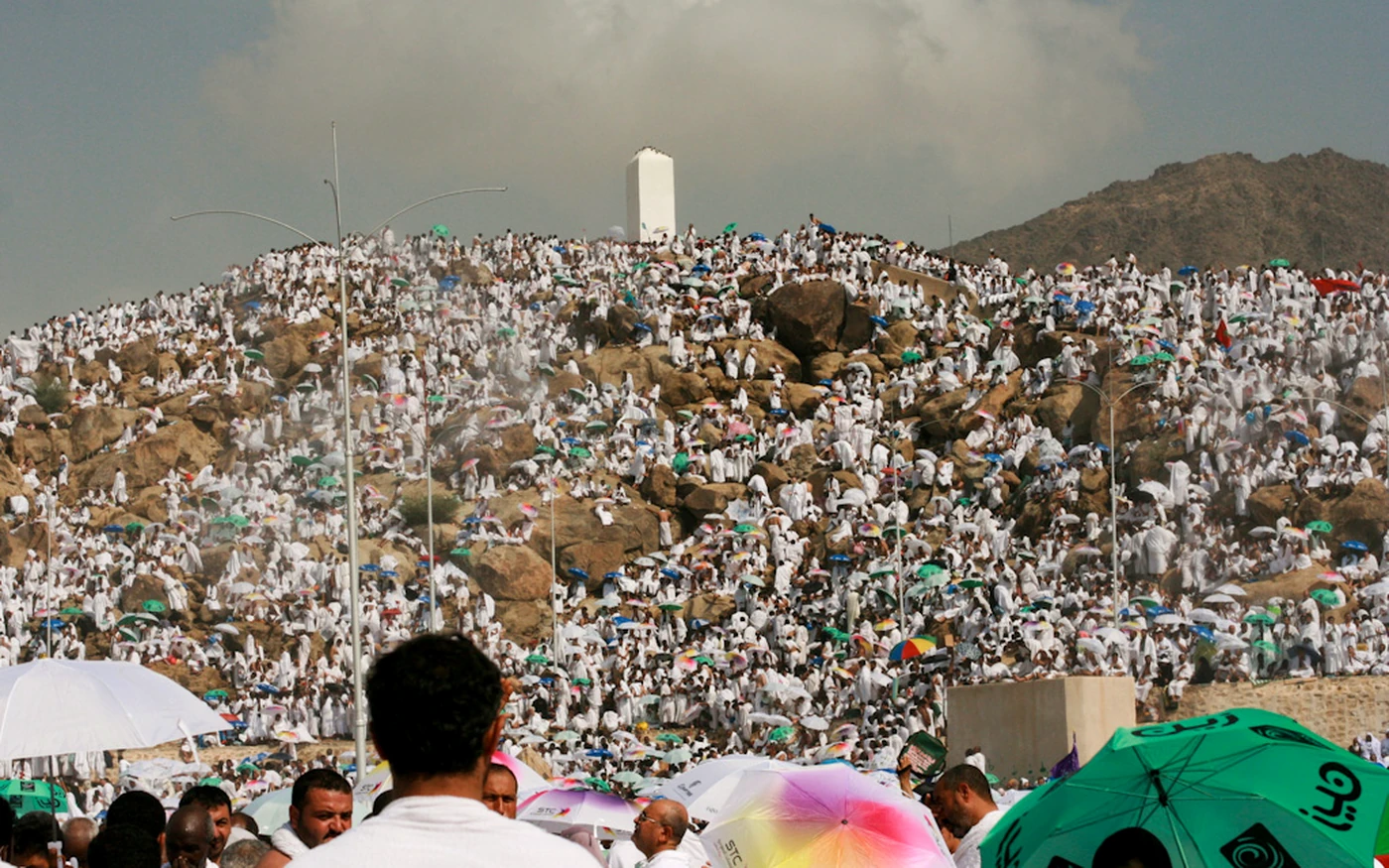
Proceed to Arafah and remain there until sunset. Standing at Arafah is the central rite of Hajj.
Open Arafah guide →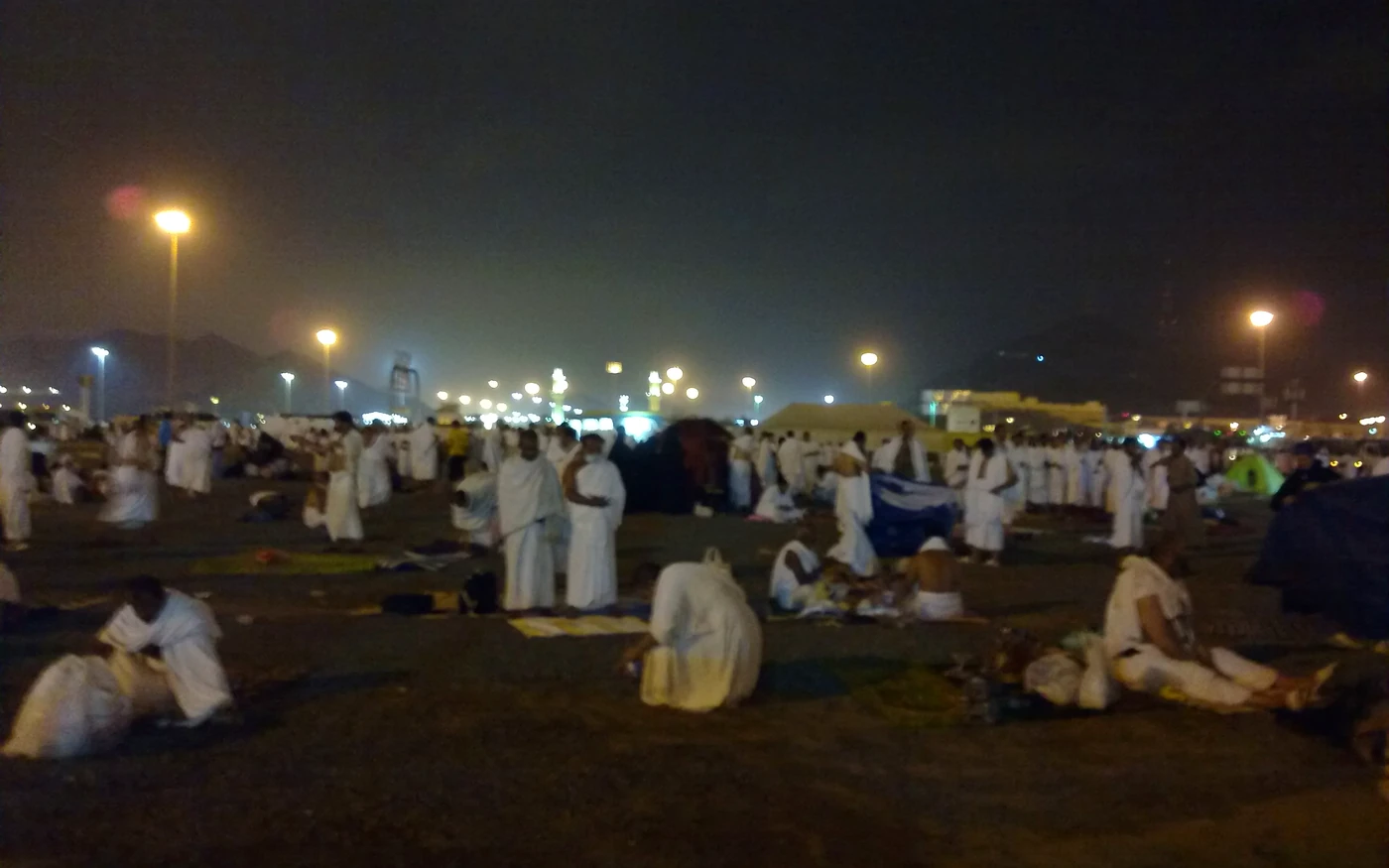
After sunset, move from Arafah to Muzdalifah. Follow your organizer’s transport and timing instructions for this high-movement period.
Open Muzdalifah guide →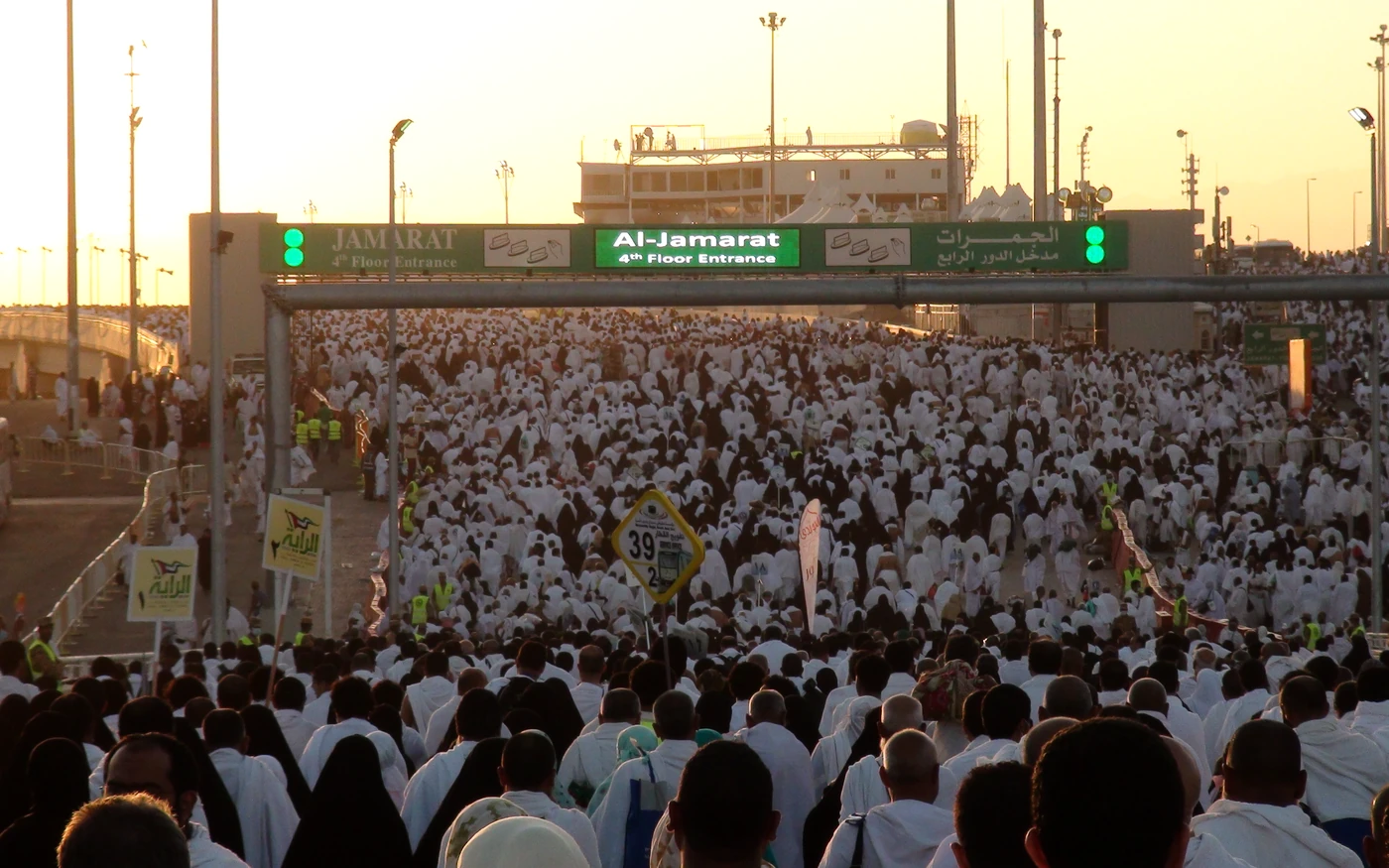
Return toward Mina for the Jamarat rites and the Days of Tashriq. Crowd-management instructions and assigned timings should be followed carefully.
Open Jamarat guide →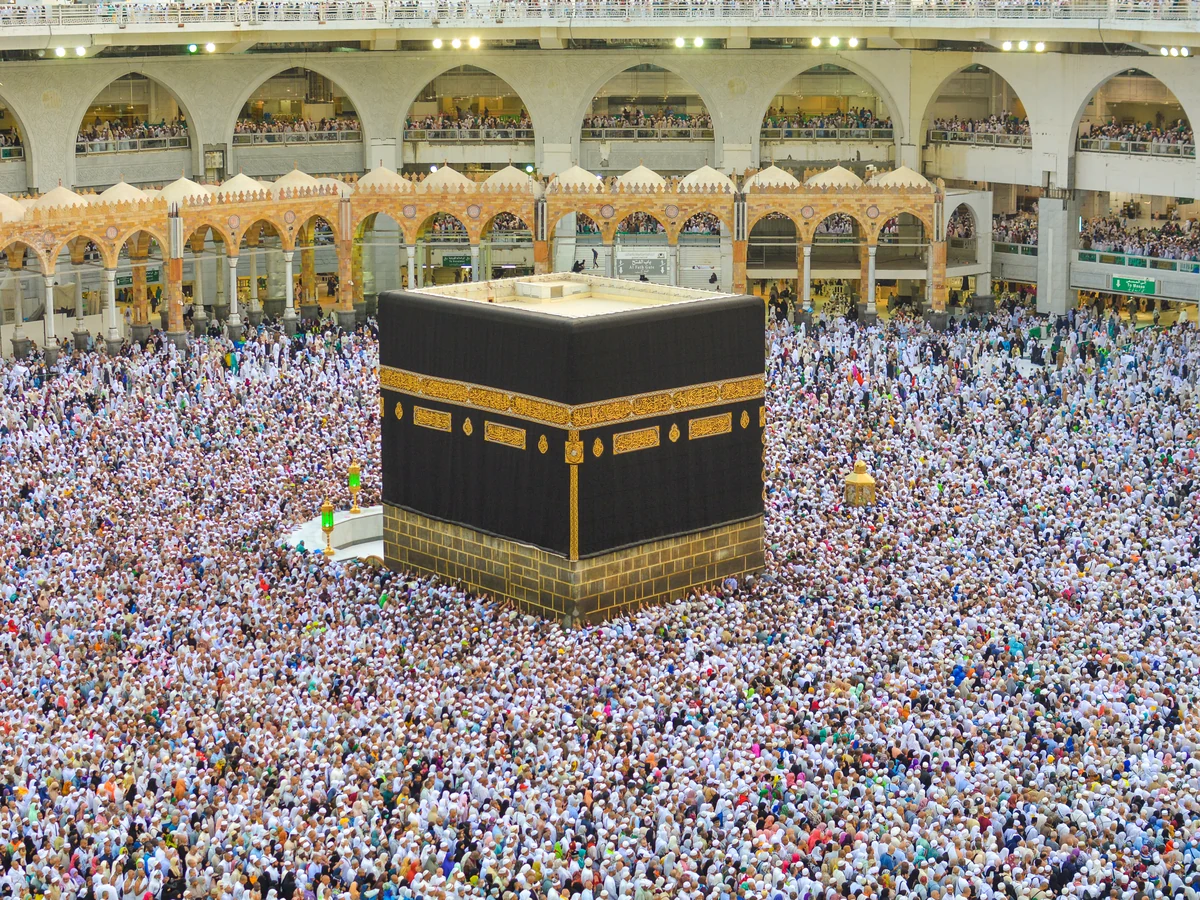
Return to Masjid al-Haram for Tawaf al-Ifadah and complete the remaining rites required for your Hajj type.
Open Tawaf al-Ifadah guide →Hajj is the annual pilgrimage to Makkah performed during the appointed days of Dhul Hijjah. The Hajj journey brings together worship at Masjid al-Haram with a connected sequence of rites across the sacred sites of Mina, Arafah and Muzdalifah. Understanding how these places and rituals fit together makes it easier to prepare for the days of Hajj without losing sight of their religious purpose.
A complete Hajj guide also needs to address the practical side of pilgrimage in Saudi Arabia. Pilgrims move in very large groups, often in hot weather and according to organized transport and crowd-management plans. Before travelling, it is useful to understand the Hajj rituals, prepare essential documents and health needs, learn the route between the sacred sites, and keep current official instructions available throughout the journey.
The Qur’an presents pilgrimage as a journey to which people come from distant paths. For the pilgrim, preparation is therefore more than logistics: it includes intention, patience, remembrance and respect for the sanctity of the rites.
Read Surah Al-Hajj 22:27 ↗سورة الحج · ٢٧وَأَذِّن فِي النَّاسِ بِالْحَجِّ يَأْتُوكَ رِجَالًا وَعَلَىٰ كُلِّ ضَامِرٍ يَأْتِينَ مِن كُلِّ فَجٍّ عَمِيقٍ
“Call all people to the pilgrimage. They will come to you on foot … from every distant path.” — Qur’an 22:27
Use this as orientation, then follow qualified religious guidance and the operational instructions issued for your Hajj group.
Ihram marks the pilgrim’s entry into the sacred state for Hajj. Before crossing the relevant Miqat, pilgrims prepare for Ihram, make the intention for their pilgrimage and begin the Talbiyah according to the guidance applicable to their Hajj. The exact sequence can differ according to the pilgrim’s route and whether they are performing Tamattu', Qiran or Ifrad, so detailed religious questions should be confirmed with a qualified scholar or trusted Hajj guide.
From a practical perspective, this is also the point where the Hajj journey becomes more structured. Pilgrims should know their group details, accommodation, transport arrangements and the instructions they will follow as they move toward Makkah and the sacred sites.
On 8 Dhul Hijjah, known as the Day of Tarwiyah, pilgrims proceed to Mina as the main sacred-day movement of Hajj begins. Mina becomes a temporary home for a vast number of pilgrims, and the day provides time for prayer, remembrance and preparation before the journey to Arafah.
For visitors learning how Hajj works, Mina is important both religiously and logistically. Camps, transport routes and group movements are highly organized, so a pilgrim’s real-world schedule may be determined by the arrangements communicated through their authorized Hajj provider.
The Day of Arafah on 9 Dhul Hijjah is the central day of the Hajj pilgrimage. Pilgrims gather in the area of Arafah for the standing, devoting the day to worship, remembrance and supplication. Arafah is therefore not simply another stop on the Hajj route; it is one of the defining moments of the entire pilgrimage.
After sunset, the movement changes quickly as pilgrims begin travelling from Arafah toward Muzdalifah. Because this transition involves very large numbers of people, religious preparation and practical preparation need to work together: pilgrims should conserve energy, stay hydrated according to health guidance and remain attentive to their group’s movement instructions.
After sunset on the Day of Arafah, pilgrims travel to Muzdalifah and continue the rites of Hajj there. Muzdalifah links the experience of Arafah with the rites that follow in Mina, making it an important transition within the Hajj journey rather than simply an overnight travel stop.
The Arafah-to-Muzdalifah movement can also be one of the most demanding logistical periods of Hajj. Travel times during pilgrimage cannot be judged like ordinary road journeys, because official routing, buses, pedestrian flows and crowd controls can all affect when a group arrives and departs.
From 10 Dhul Hijjah, the Hajj journey continues through Mina and the Jamarat rites, followed by the Days of Tashriq. These days connect several important actions of Hajj, including the rites at Jamarat and, according to the pilgrim’s circumstances, other acts connected with sacrifice, shaving or shortening the hair and the return to Makkah.
Jamarat is also an area where crowd-management instructions are especially important. Pilgrims should avoid choosing their own timing based only on convenience and instead follow the route, level and movement window communicated through their authorized Hajj arrangements.
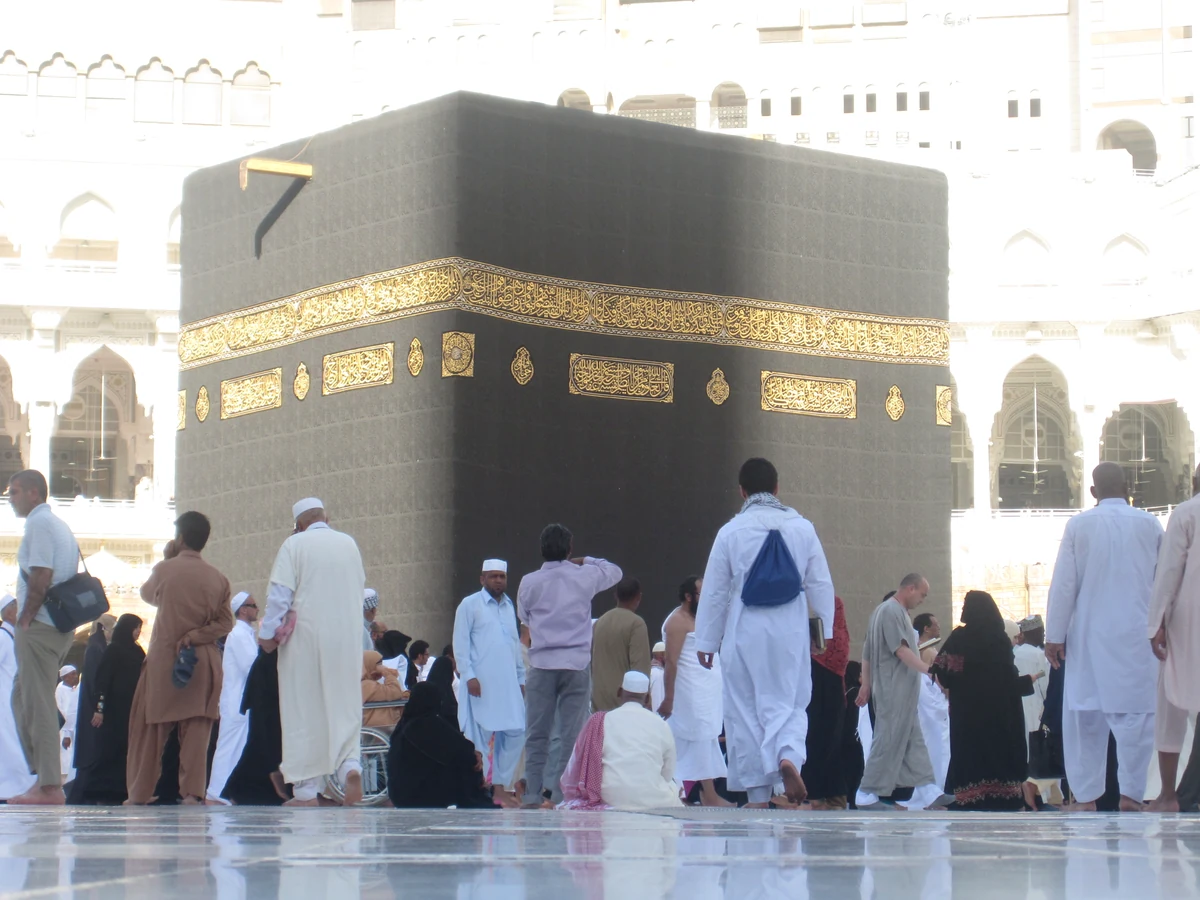
Tawaf al-Ifadah is one of the major rites connected with the pilgrim’s return to Masjid al-Haram in Makkah. Pilgrims perform Tawaf around the Kaaba and complete the remaining rites that apply to their type and sequence of Hajj. Because individual circumstances can affect the order of some actions, SaudiWelcome presents this Hajj guide as orientation rather than a substitute for qualified religious instruction.
For practical planning, the return to Makkah should also be treated as a major movement stage. Access conditions, transport and crowd density around Masjid al-Haram can vary, so pilgrims should check the latest official and group instructions before leaving Mina or travelling toward the Grand Mosque.
Surah Al-Baqarah connects Hajj with restraint, good conduct and mindfulness of Allah. That gives the practical journey a clear spiritual frame: patience and respectful behaviour matter throughout crowded, tiring and unfamiliar conditions.
Read Qur’an 2:197 ↗A successful Hajj plan connects religious preparation with travel, health, documents, accommodation and movement in Makkah. Use the SaudiWelcome hubs below to continue from the Hajj rituals into the practical parts of the journey.
Understand Masjid al-Haram, city orientation and the destination around the Hajj journey.
Explore Makkah → BEFORE DEPARTUREOrganize documents, transport, accommodation, connectivity and essential travel preparation.
Plan your travel → TOOLS & CHECKLISTSKeep useful preparation material and practical pilgrimage information together in one place.
Open resources → TIME-SENSITIVECheck changing requirements and operational information against current official Saudi sources.
Check updates →Quick orientation for pilgrims planning Hajj in Saudi Arabia. Requirements that can change from season to season should always be confirmed through current official channels.
Hajj is performed during Dhul Hijjah, with the principal sacred-day journey taking place from 8 Dhul Hijjah and continuing through the following days. The Day of Arafah falls on 9 Dhul Hijjah. Exact Gregorian dates change each year because the Islamic calendar is lunar.
The Hajj journey is centred on Makkah and Masjid al-Haram and includes the sacred sites of Mina, Arafah and Muzdalifah. Pilgrims move between these locations as they complete the rites according to their Hajj type and organized pilgrimage plan.
Standing at Arafah is a central rite of Hajj. Pilgrims spend the day in worship, remembrance and supplication before departing after sunset toward Muzdalifah.
Preparation normally includes valid travel and pilgrimage documentation, health planning, suitable clothing and footwear, essential medication, accommodation and transport details, and access to current instructions from the pilgrim’s authorized provider and official Saudi channels.
Yes. Operational arrangements, eligibility rules, health requirements, permits, transport systems and access procedures can change between Hajj seasons. SaudiWelcome separates general journey guidance from time-sensitive requirements so pilgrims can verify changing information with official sources.
No. SaudiWelcome provides educational orientation and practical travel guidance. Questions about detailed rulings, individual circumstances or differences between Hajj types should be referred to qualified religious authorities.
SaudiWelcome explains and organizes the journey. Time-sensitive rules, permits, schedules and operational instructions should always be checked against current official Saudi channels.
Religious knowledge is only one part of preparing for Hajj. Pilgrims also need a practical plan for documentation, health, packing, communication and movement. Requirements can change between seasons, so use this section as a preparation framework and verify current rules through official Saudi channels and your authorized Hajj provider.
Keep your passport, required travel documentation, booking or package information and group identification organized and accessible. Before departure, confirm the current entry and pilgrimage requirements that apply to your country and Hajj arrangement rather than relying on information from a previous season.
Check official updates →Hajj involves walking, heat, crowds and long periods of movement. Prepare gradually for the physical demands, carry necessary personal medication, and review current health guidance before travel. Pilgrims with individual medical needs should plan with appropriate healthcare professionals before departure.
Open preparation resources →Pack for usefulness rather than volume. Comfortable footwear, simple clothing, personal hygiene items, medication, identification and a practical way to carry daily essentials can matter more than extra luggage. Keep important items easy to reach during transfers between Makkah and the sacred sites.
See the travel guide →During Hajj, ordinary travel expectations do not always apply. Routes, buses, pedestrian flows and access points may be controlled for safety. Stay attentive to your group instructions, allow extra time, and approach delays and crowded conditions with patience and consideration for other pilgrims.
Explore the Makkah guide →Continue with practical checklists, destination guidance and current official-source information for your Hajj preparation.
Continue with the focused guides for Sa'i and the sacrifice and hair stage.
Use these related guides to move from overview to the exact stage or planning question you need.